
For building owners and property managers, your commercial building’s roof is more than just a structural component—it’s a major investment. Whether you’re managing flat roofs, metal roofs, or sloped systems, consistent upkeep is the key to avoiding expensive damage and extending your roof’s lifespan. At J. Smucker Contracting, we understand the importance of a well-maintained roof. With years of experience as professional roofing contractors, we’ve seen how a proactive maintenance plan can prevent major problems, reduce roof repairs, and ultimately save thousands in costly repairs.
This guide provides a detailed commercial roof maintenance checklist to help you protect your investment, spot potential issues early, and ensure your roofing materials remain in good condition year-round.
Why Commercial Roof Maintenance Matters
Routine maintenance is the backbone of a healthy commercial roofing system. Neglecting regular roof inspections or ignoring obvious signs of damage can lead to:
-
-
-
Water damage and roof leaks
-
Mold growth and signs of deterioration
-
Structural damage to the roof deck
-
Reduced energy efficiency
-
Unexpected and expensive repairs
-
-
In regions prone to heavy rain, high winds, and ice dams, such as Pennsylvania, even minor issues can escalate into major repairs without proper care.
The Benefits of a Proactive Approach
A regular roof maintenance routine offers several advantages:
-
-
-
Extends the lifespan of your commercial roof
-
Maintains manufacturer warranties
-
Helps avoid significant damage from severe weather events
-
Improves the safety of HVAC units, solar panels, and other rooftop installations
-
Helps maintain proper drainage, reducing ponding water and rot
-
Keeps your building compliant with insurance and building codes
-
-
Most importantly, a proactive approach ensures your commercial building’s roof remains in good shape season after season.
Comprehensive Commercial Roof Maintenance Checklist
To stay ahead of potential problems, here’s a detailed commercial roof inspection checklist that your maintenance crew or a professional roofer should follow.
1. Schedule Regular Roof Inspections
-
-
-
Aim for routine inspections at least twice a year—typically in the spring and fall.
-
Schedule extra inspections after severe weather events, such as storms or high winds.
-
Consider hiring a professional inspector to assess less obvious signs of wear or hidden damage.
-
-
2. Examine the Roof’s Surface
-
-
-
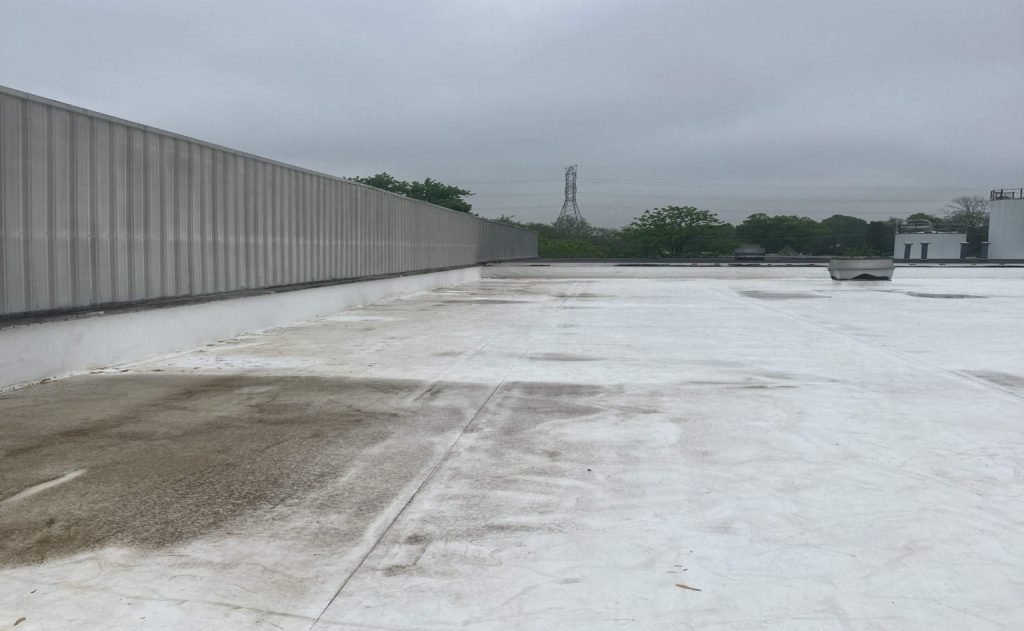
Look for visible damage, including dark spots, tears, or cracks in the roof membrane.
-
Check for ponding water on flat roofs, which can deteriorate the roof’s surface over time.
-
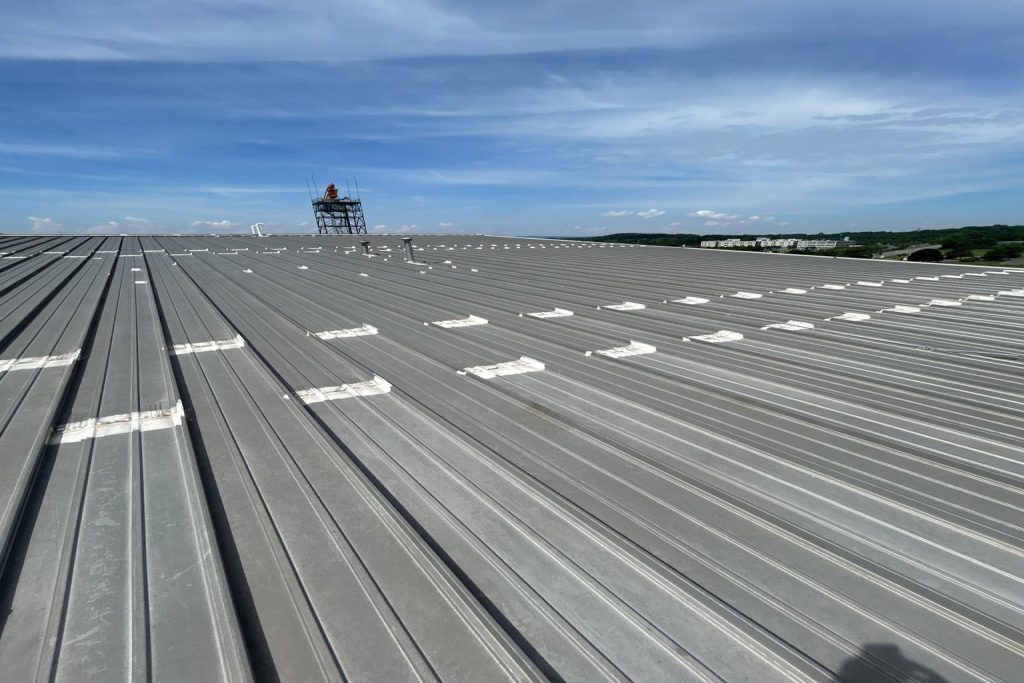
Inspect metal roofs for rust, loose panels, or compromised edge materials.
-
-
3. Check for Water Damage and Leaks
-
-
-
Inside the building, search for water stains, damp areas, or signs of mold on ceilings or walls.
-
Check ceiling tiles, especially near HVAC systems or roof corners.
-
These could indicate a leak, poor roof structure, or failing drainage systems.
-
-
4. Inspect Flashings, Parapet Walls & Roof Edges
-
-
-
Ensure all flashing is sealed properly and hasn’t come loose.
-
Check parapet walls for cracks or deterioration.
-
Damage here can allow water to enter the building or compromise the roof deck.
-
-
5. Review HVAC Units and Rooftop Equipment
-
-
-
Ensure units are securely fastened and show no signs of wear.
-
Look for deterioration around mounting curbs or penetrations.
-
A poorly sealed HVAC unit can lead to roof leaks or structural damage.
-
-
6. Clean Gutters and Drainage Systems
-
-
-
Clogged drains cause ponding water and are a major source of potential damage to the roof’s condition.
-
Remove leaves, debris, and sediment buildup from all drainage systems.
-
Confirm that water flows away from the building and doesn’t pool near roof corners.
-
-
7. Monitor Roofing Materials and Roof Type
-
-
-
Each roof type has different maintenance needs.
-
Flat roofs: prone to pooling and punctures.
-
Metal roofs: susceptible to corrosion and panel shifting.
-
Sloped roofs: watch for lifted shingles or tile displacement.
-
-
Keep an inventory of roofing materials used, especially when scheduling roof repairs.
-
-
8. Document Maintenance Activities
-
-
Maintain detailed records of all inspections, maintenance services, and repairs.
-
Include photos and notes about any significant problems or minor problems identified.
-
Documentation helps with warranty claims, insurance, and long-term care planning.
-